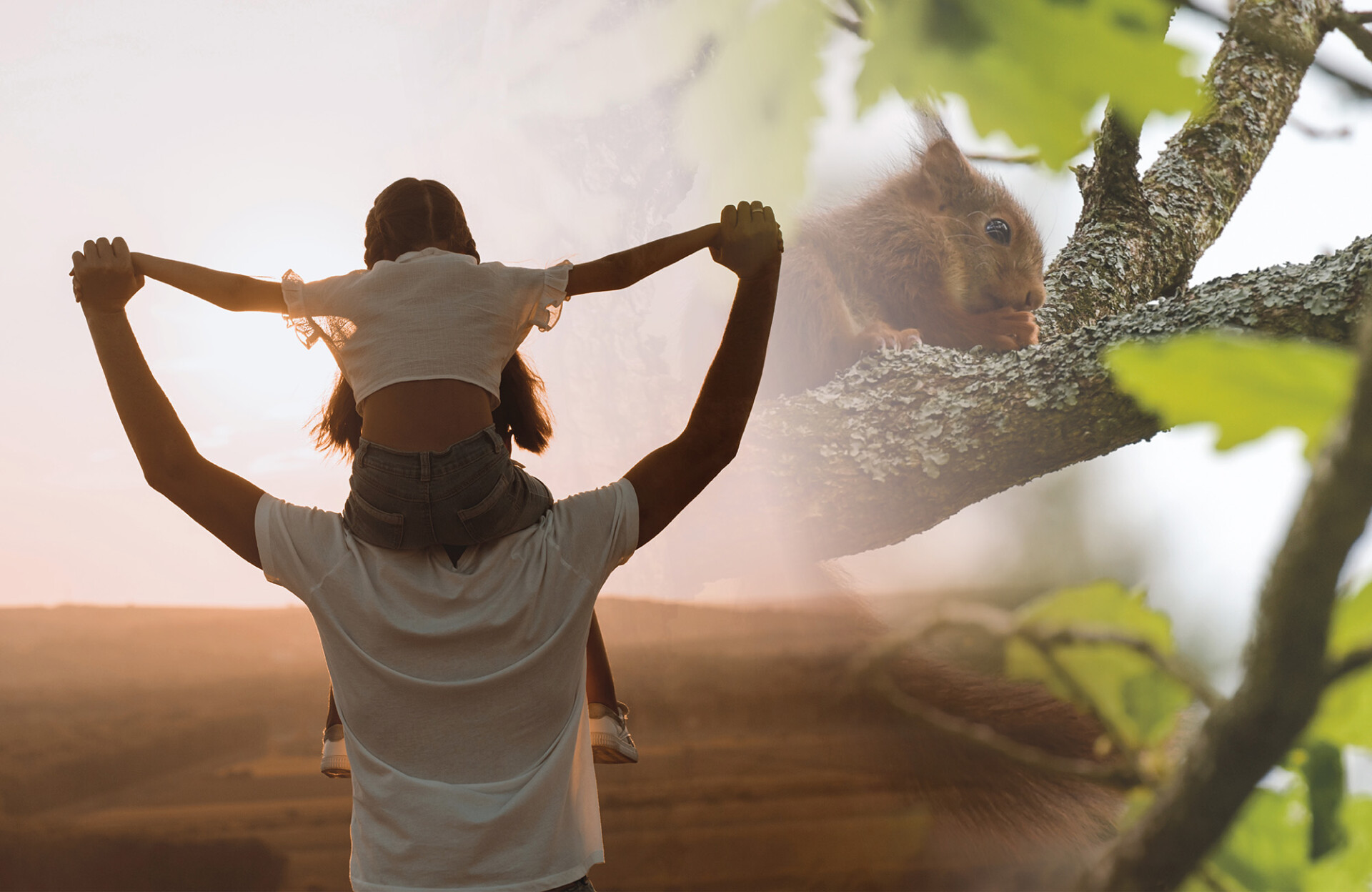
Discover our Biosphere Reserve


60

Km of Paris

300000

inhabitants

50

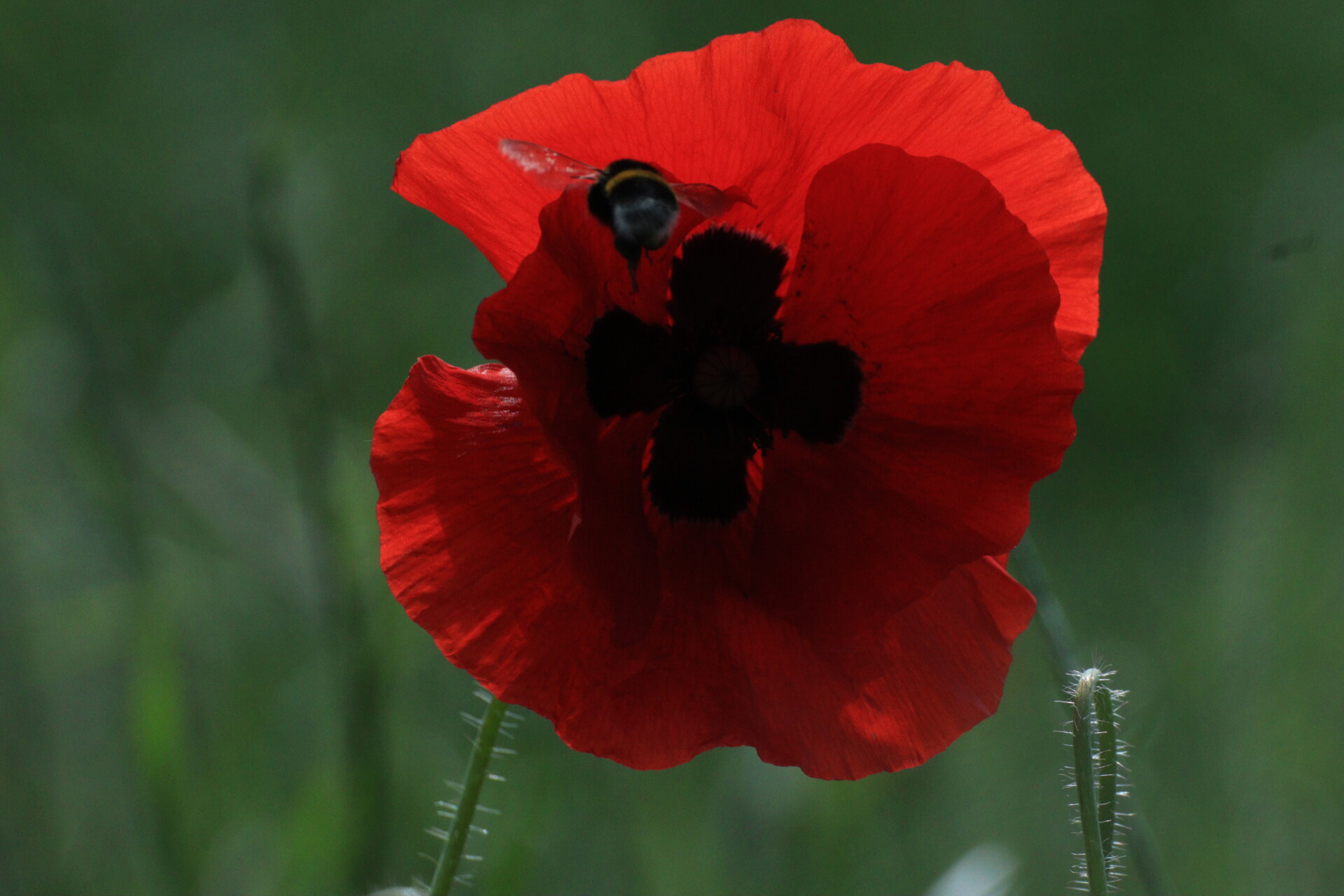
Mammalian species!

3000

Beetle species!

Fontainebleau and Gâtinais Biosphere Reserve

A territory of Man-Nature conciliation

From the Fontainebleau forest to agricultural areas, through wetlands, the rivers of Seine and Essonne, or the landscapes of the French Gâtinais, the territory of the Fontainebleau and Gâtinais Biosphere Reserve is home to biodiversity to be preserved in varied ecosystems, where human activities have always been omnipresent as evidenced by the exceptional historical and cultural heritage.

The Biosphere Reserve is a unique opportunity to rethink the Man-Nature relationship in order to build a responsible and sustainable future.

A territory committed for more than 25 years

Designated in 1998 by UNESCO, the Fontainebleau and Gâtinais Biosphere Reserve is part of the global network of biosphere reserves. It is the only Biosphere Reserve in the Île-de-France region.

Supported by Île-de-France region, the departments of Seine-et-Marne and Essonne, Fontainebleau, the “Communauté d’agglomération du Pays de Fontainebleau”, the National Forest Office, the Gâtinais Français Regional Natural Park, the “École des Mines”, Paris-Cité University, the National Museum of Natural History and many committed associations in the territory, the Fontainebleau and Gâtinais Biosphere Reserve aims to bring together all the actors and stakeholders of sustainable development around the same territorial project.

Our goals: actions to preserve, developpe, and innovate!

Our Biosphere Reserve relies on local actors to fulfill its conciliation mission through three pillars:

  • Projects to preserve biodiversity from an exceptional environment and, more generally, to ensure the sustainable development of the territory
  • Awareness and education
  • Networking using the global and national network of Unesco biosphere reserves as well as promoting the connection of local actors

The management structure of the Biosphere Reserve

The actions of the territory are highlighted and animated by a management structure, now associative, installed at the Maison de la Biosphère et de la Forêt, in the heart of the Fontainebleau Forest.

The role of this structure is coordination, in particular through a territorial project and a management plan, the scientific contribution and the networking of the various initiatives emerging on the territory.
A Territory

The territory of the Fontainebleau and Gâtinais Biosphere Reserve is historically centered around the Fontainebleau forest and the French Gâtinais Regional Natural Park. It is revised during each renewal (the last two took place in 2010 and 2023).

For the UNESCO MAB program, a biosphere reserve is composed of three areas, in principle included in each other:

  • a core area; comprises a strictly protected zone that contributes to the conservation of landscapes, ecosystems, species, and genetic variation
  •  a buffer zone; It surrounds or adjoins the core area(s), and is used for activities compatible with sound ecological practices that can reinforce scientific research, monitoring, training, and education
  •  a transition area;  where communities foster socio-culturally and ecologically sustainable economic and human activities.

Zonation

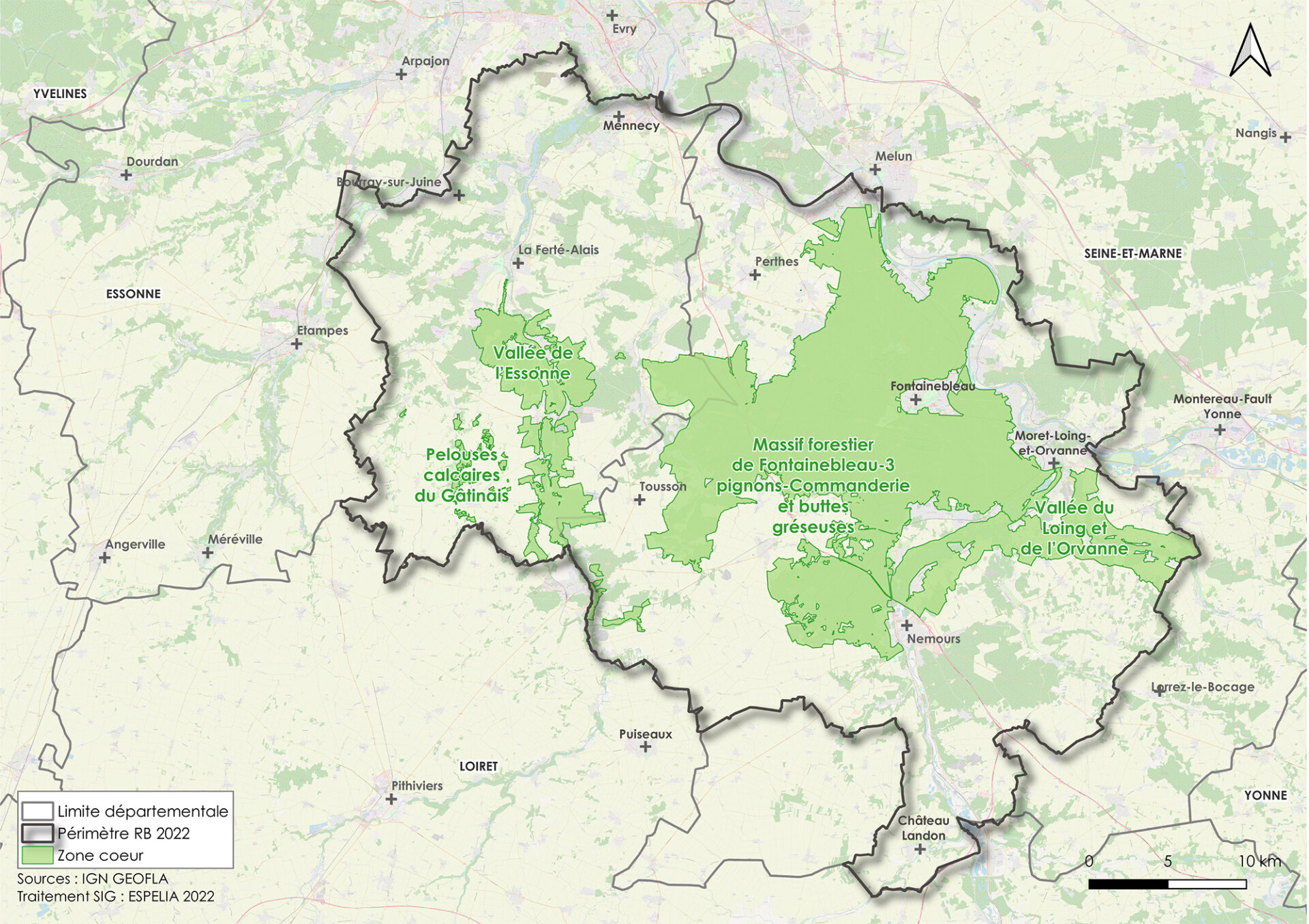
Reviewed in 2022, The Fontainebleau-Gâtinais Biosphere ‘s perimeter takes into consideration all the already established structures prospering in our territories. 

This diversity of arrangements is an asset as it allows effective protection measures to be adapted to local contexts and different conservation objectives.

The many existing structures on our ground help us regulate the rapid urbanization of the territory (due to the proximity to Paris) or any unsustainable projects.

The different structures working towards sustainable biodiversity revealed four main zone each with their own challenges:

• The Forest of Fontainebleau
• The Valley of Loing and Orvanne
• The Valley of Essonne
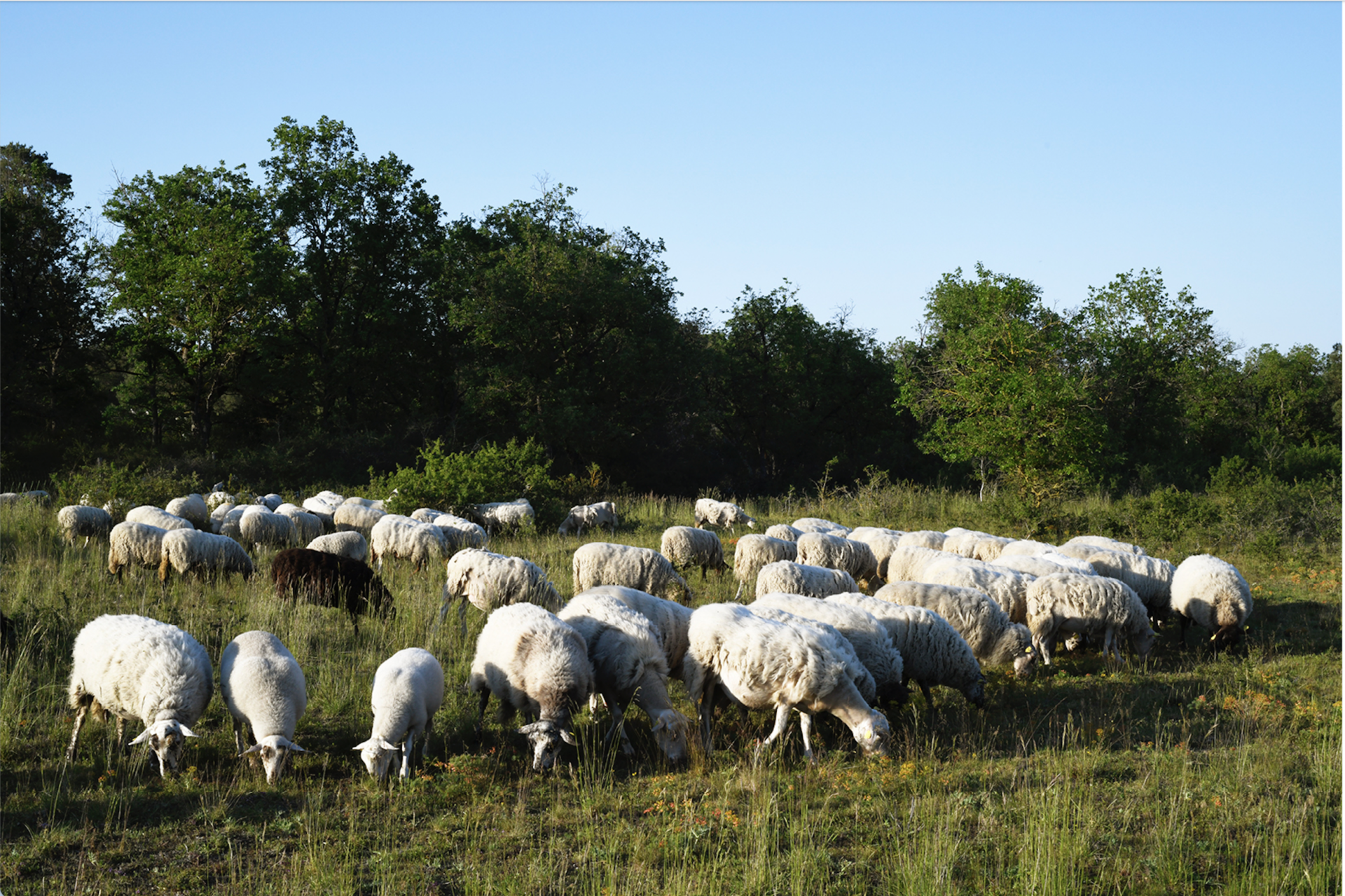
• The Calcareous grassland of Gâtinais

Municipalities

Seine-et-Marne (77)

Achères-la-forêt – Amponville – Arbonne-la-Forêt – Avon – Bagneaux-sur-Loing – Barbizon – Bois-le-Roi – Boissise-le-Roi –  Boissy-aux-cailles – Boulancourt – Bourron-Marlotte – Burcy – Buthiers – Cély-en-Bière – Chailly-en-Bière – Champagne-sur-Seine – La Chapelle-la-Reine – Chartrettes – Château-Landon – Châtenoy – Chevrainvilliers – Dammarie-les-Lys – Darvault – Dormelles – Faÿ-Lès-Nemours – Flagy, Fleury-en-Bière – Fontainebleau – Fontaine-le-Port – Fromont – Garentreville – La Genevraye – Grez-sur-Loing – Guercheville – Héricy – Larchant – Livry-sur-Seine – Madeleine-sur-Loing – Montcourt-Fromonville – Montigny-sur-Loing – Moret-Loing-et-Orvanne – Nanteau-sur-Essonne – Nanteau-sur-Lunain – Nemours – Noisy-sur-Ecole – Nonville – Ormesson – Paley – Perthes-en-Gâtinais – Poligny – Pringy – Recloses – Remauville – La Rochette – Rumont – Saint-Fargeau-Ponthierry – Saint-Germain-sur-Ecole – Saint Mammès – Saint-Martin-en-Bière – Saint-Pierre-lès-Nemours, Saint-Sauveur-sur-Ecole – Samois-sur-Seine – Samoreau – Souppes-sur-Loing – Thomery – Tousson – Treuzy-Levelay – Ury – Le Vaudoué – Vernou-la-Celle-sur-Seine – Villecerf –  Villemaréchal – Villemer – Ville-Saint-Jacques – Villiers-en-Bière – Villiers-sous-Grez – Vulaines-sur-Seine

Essonne (91)

Auvernaux – Auvers-Saint-Georges – Ballancourt-sur-Essonne – Baulne – Blandy – Boigneville – Bois-Herpin – Boissy-le-Cutté – Bouray-sur-Juine – Boutigny-sur-Essonne – Bouville – Brouy – Buno-Bonnevaux – Cerny – Chamarande – Champcueil – Champmotteux – Chevannes – Coudray-Montceaux – Courances – Courdimanche sur Essonne – Dannemois – Echarcon – La Ferté Alais – Fontenay-le-Vicomte – La Forêt-Sainte-Croix – Gironville sur Essonne – Guigneville sur Essonne – D’Huison-Longueville – Itteville – Janville-sur-Juine – Leudeville – Maisse – Mennecy – Mespuits – Milly-la-forêt – Moigny-sur-Ecole – Mondeville – Nainville-les-Roches – Oncy-sur-Ecole – Ormoy – Orveau – Prunay-sur-Essonne – Puiselet-le-Marais – Roinvilliers – Saint-Vrain – Soisy sur Ecole – Valpuiseaux – Vayres-sur-Essonne – Vert-le-grand – Vert-le-petit – Videlles – Villeneuve sur Auvers

A protection strategy

The borders of our territory were defined with an objective to resist against the soil artificialisation due to the rapid urbanisation of Ile de France.

Certain key zones housing rare or interesting elements of biodiversity are directly being threatened by this urbanisation. 

The territory’s biological characteristics in a nutshell

Fontainebleau-Gâtinais Biosphere Reserve has many different landscapes, all interconnected. These landscapes create a rich ecosystem and make the survival of extremely diverse fauna and flora possible.

Forest environment

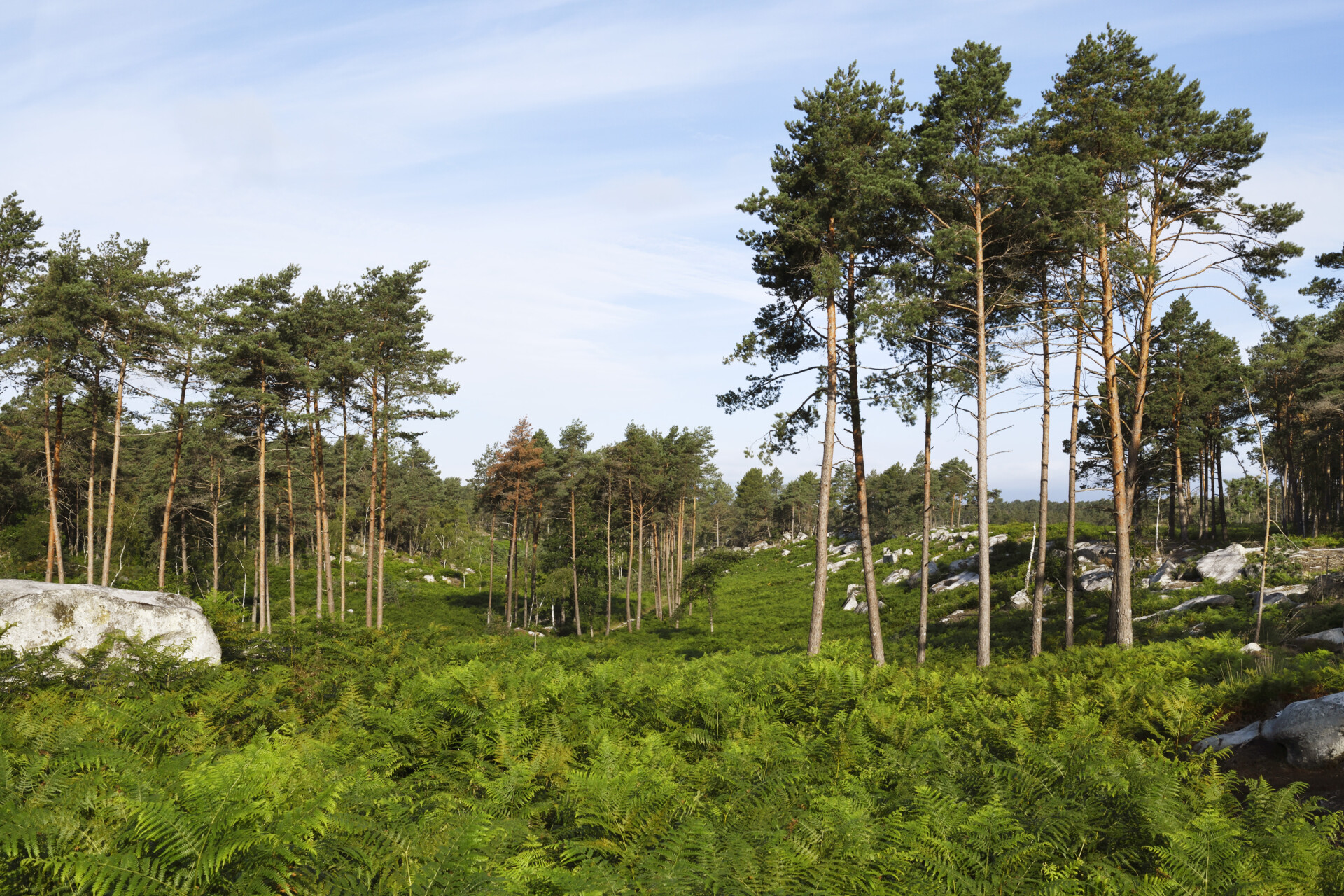
With more than 45 000 acres, the forest environment represents nearly 50% of our territory. The vast majority is made of Fontainebleau’s Forest. As part of Natura 2000, more than 18 ecosystemic interests are included.  The eldest woods located on high grounds are home to rich fauna and flora.

Sandy environment

The rocky and sandy environments are dry and mostly located within the forest. Some habitats constricted to these environments make them worth being Natura 2000, the growth of grass is the first stage of spontaneous forest dynamic. Fontainebleau’s sand is a well-known geological resource because it is pure silica. In some parts, quarries are still in function.

Marshes

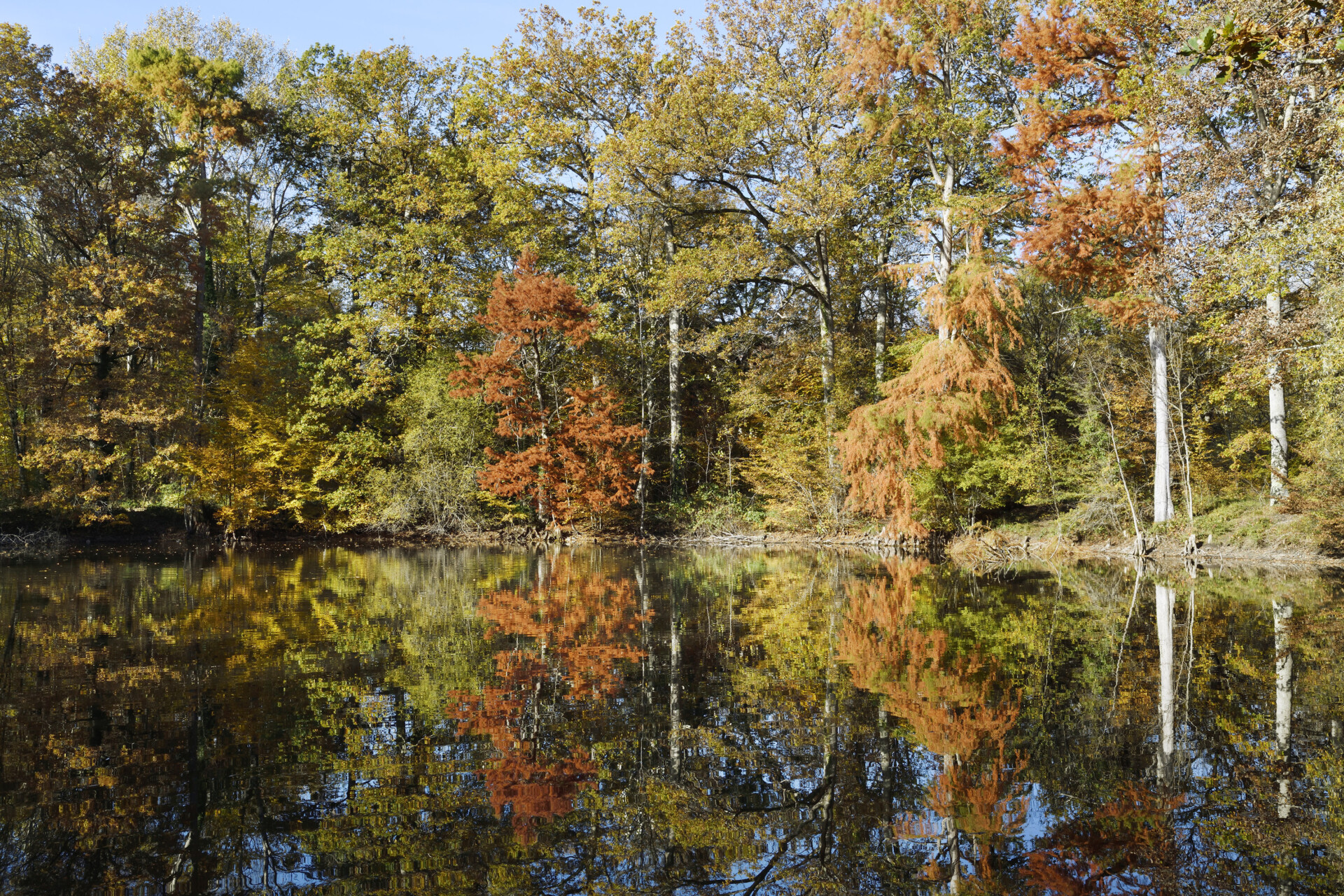
Firstly, shaped by aggregate (sand, grit, and gravel) extraction, then by artificial ponds, a varied fauna appeared in the marshes. With diverse local wildlife sheltered in the valley, humid environments are pivotal in the ecological discussion.  

Farming

Farming represents 43% of Fontainebleau-Gâtinais Biosphere Reserve territory.  Apart from the Plaine de Bière, in the North, dedicated to market gardening, agriculture mainly consists of cereal cropping.

1948

IUCN Fondation in Fontainebleau

(International Union for Conservation of Nature)

2000

Prehistoric sites
and rock shelters

13

Millions of visitors per year

A territory of People, Nature, culture and history

Fontainebleau and Gâtinais Biosphere Reserve, a patchwork of ecosystem !

Forests, desert landscapes, moors, limestone lawns, agglomerations, roads that fragment the massif, wetlands, cultivated areas, banks of the Loing and Essonne…

The Fontainebleau forest, one of the most beautiful forests in Europe, classified as an exceptional forest, offers a wealth of exceptional species but also an amazing geology, landscapes of flats, sand, rocky chaos, a legacy of a sea that disappeared from the Paris Basin 30 million years ago.


A recognized heritage to be protected

Its landscapes, its natural, historical and cultural riches make the territory of the Biosphere Reserve very attractive for visitors and tourists.

Each year, the Fontainebleau massif welcomes more than 13 million visitors.

One of the challenges of the Biosphere Reserve is to reconcile these human activities with the protection of the environment.

Land of kings, land of history, land of protection

The Biosphere Reserve is home to one of the largest prehistoric rock complexes in Europe with more than 2000 engraved shelters.

The diversity of tree species testifies to the relationship between Man and Nature over the centuries. From Robert the Pious to Francis I who built the palace of Fontainebleau, from Henry IV who moved the Route Ronde for hunting to Louis XIV who asked Colbert to put in place measures to protect oak trees, this land of kings remains rich on the natural and historical levels.

This is where the first modern environmental protection measures were launched. In the 19th century, for the first time in modern times, the painters of the Barbizon school obtained from Napoleon III the foundation of a first reserve and, in 1861, more than 1000 hectares will be protected for artistic reasons.

It was also in Fontainebleau that the International Union for Conservation of Nature (IUCN) was created in 1948. The world’s leading environmental union, it is now the largest and most diverse environmental network on the planet, bringing together more than 1,300 members, states, government agencies, NGOs or organizations of indigenous peoples and more than 10,000 international experts.

The first-ever marked trail in the world!  

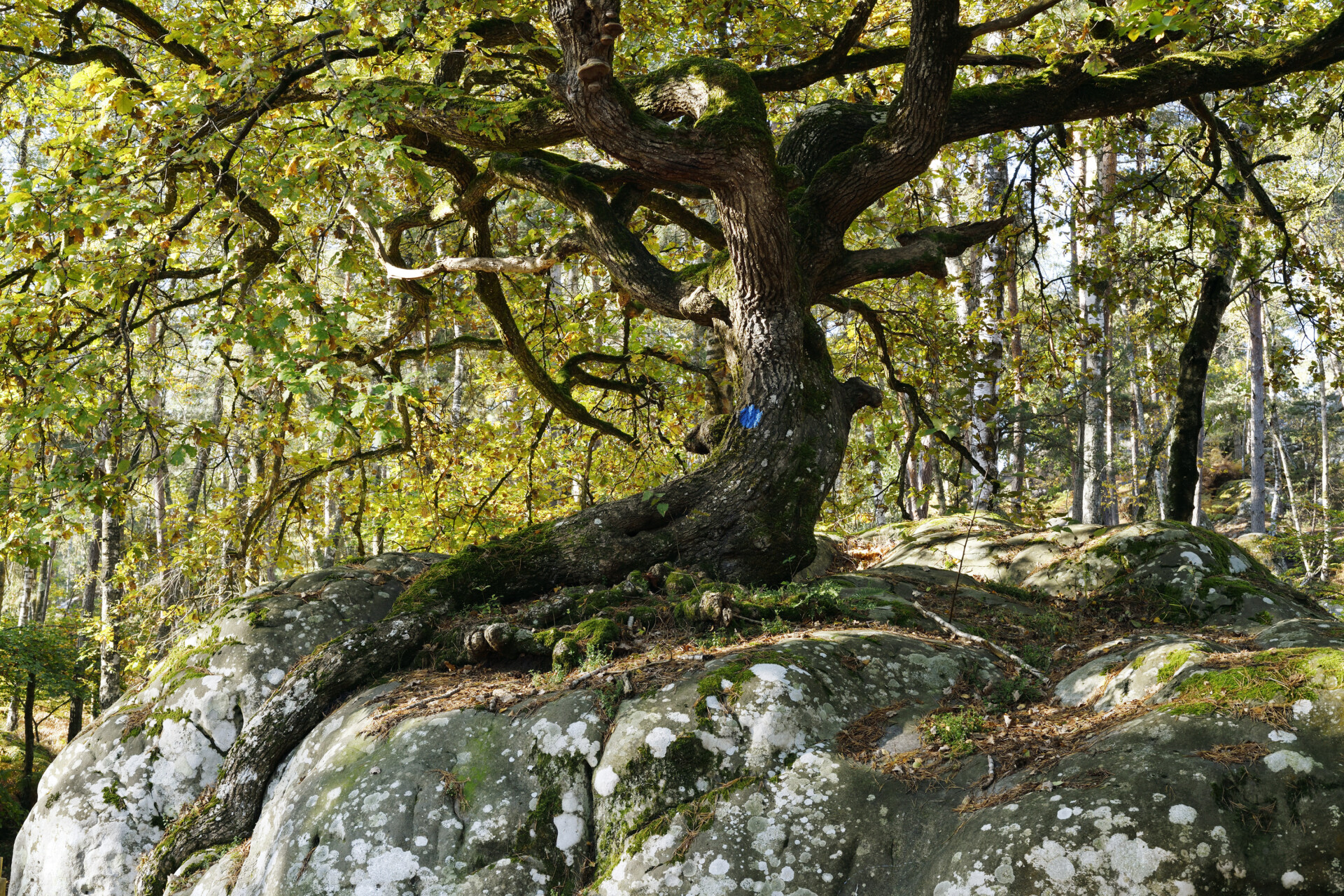
Claude-Francois Dénecourt(1788-1875), created the first walking trail in the world in 1842. After his death, the Colinets continued his work by adding 100km to the already existing 150 km trail. These trails are marked today by a blue paint stroke and are cared for by the ONF and AFF (amis de la forest de Fontainebleau).

Découvrir les sentiers bleus

Management structure

The Biosphere Reserve is managed by an association, currently chaired by Béatrice Rucheton (Vice-President of the Department of Seine-et-Marne in charge of the environment and Vice-President of the French Gâtinais PNR). It counts among its administrators the institutional and associative actors of the territory.

The management structure coordinates the territory project. Through the monitoring of the management plan of the Biosphere Reserve, it promotes the actions of the territory’s project leaders.

Scientific Council

It is one of the riches of biosphere reserves. It is composed of about fifteen scientists from different disciplines: ecology, biology, agronomy, human sciences… and is intended to give opinions on the different issues and projects of the territory.

The scientific council is currently chaired by Jean-Philippe Siblet, naturalist, including president of the ANVL, and by Richard Raymond, eco-anthropologist, CNRS research manager at the MNHN.

Funds

The Biosphere Reserve does not receive direct funding from the State: its financing is therefore mainly based on local players.

In 2025, the main sponsors were the Ile-de-France Region, the Departments of Seine-et-Marne and Essonne, the city of Fontainebleau and the “Communauté d’agglomération du Pays de Fontainebleau”.

Eco-players

The Fontainebleau and Gâtinais Biosphere Reserve was one of the first to build a network of eco-players in 2013.

Today, the Biosphere Reserve has about a hundred eco-players who are committed, through a charter and a roadmap, to a more sustainable and more responsible future.


Learn more

We use cookies to provide an optimal service and a pleasant user experience. By accepting, you agree to the use of cookies in accordance with our cookie privacy policy

Privacy Settings saved!
Paramètres de confidentialité

Lorsque vous visitez un site Web, il peut stocker ou récupérer des informations sur votre navigateur, principalement sous la forme de cookies. Contrôlez vos services de cookies personnels ici.

Veuillez noter que les cookies essentiels sont indispensables au fonctionnement du site, et qu’ils ne peuvent pas être désactivés.

Pour utiliser ce site Web, nous utilisons les cookies suivant qui sont techniquement nécessaires

  • wordpress_test_cookie
  • wordpress_logged_in_
  • wordpress_sec

Decline all Services
Accept all Services